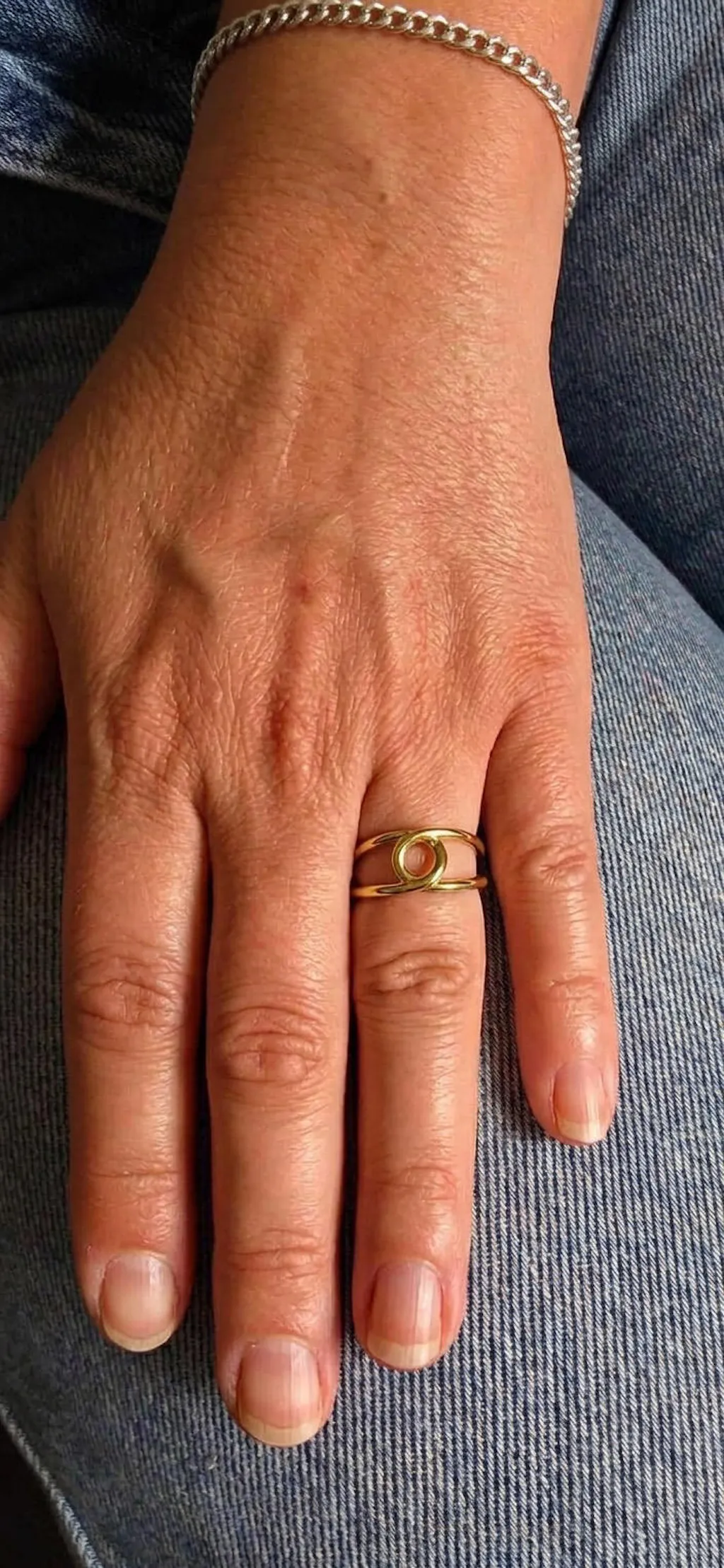
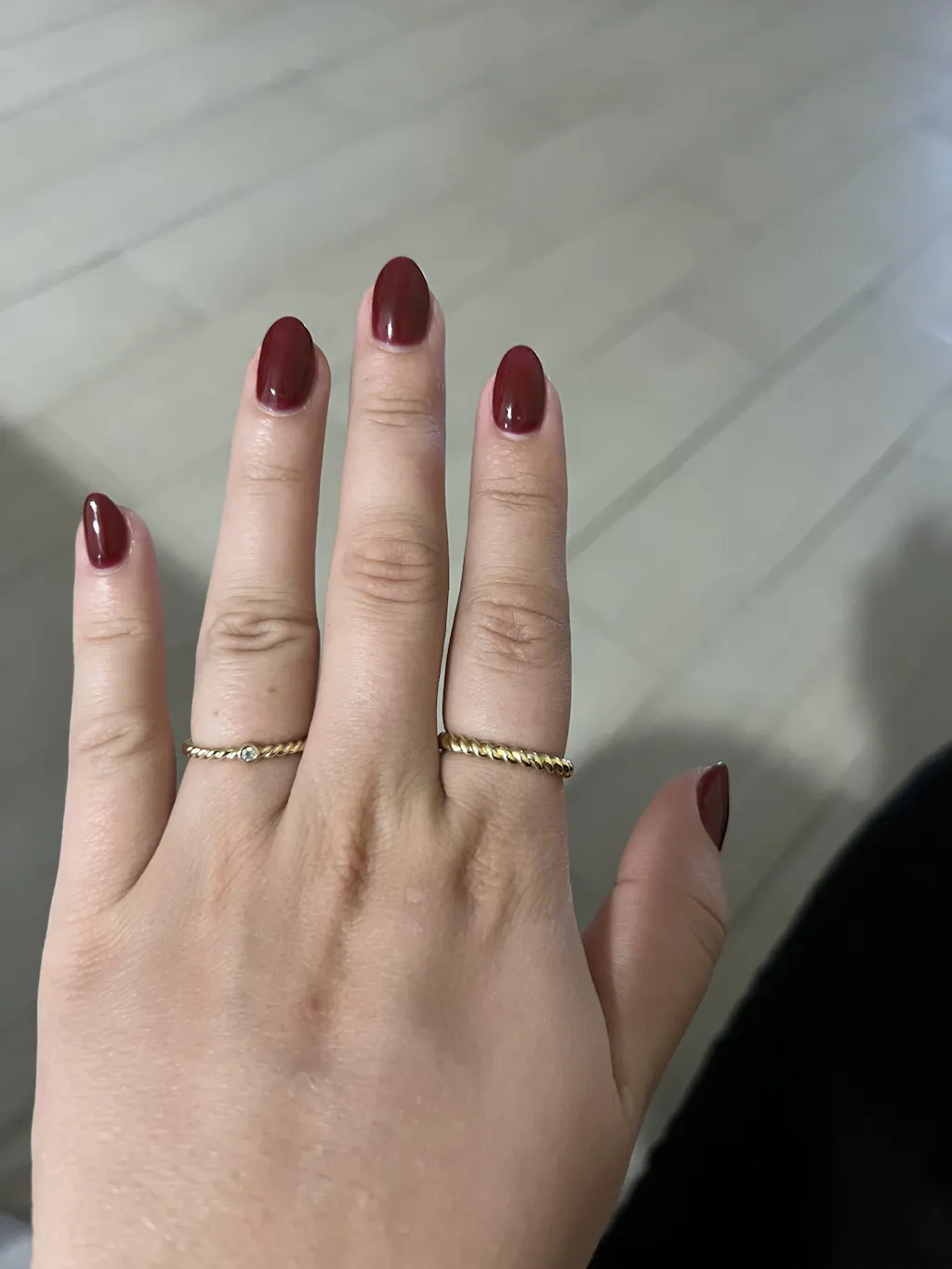
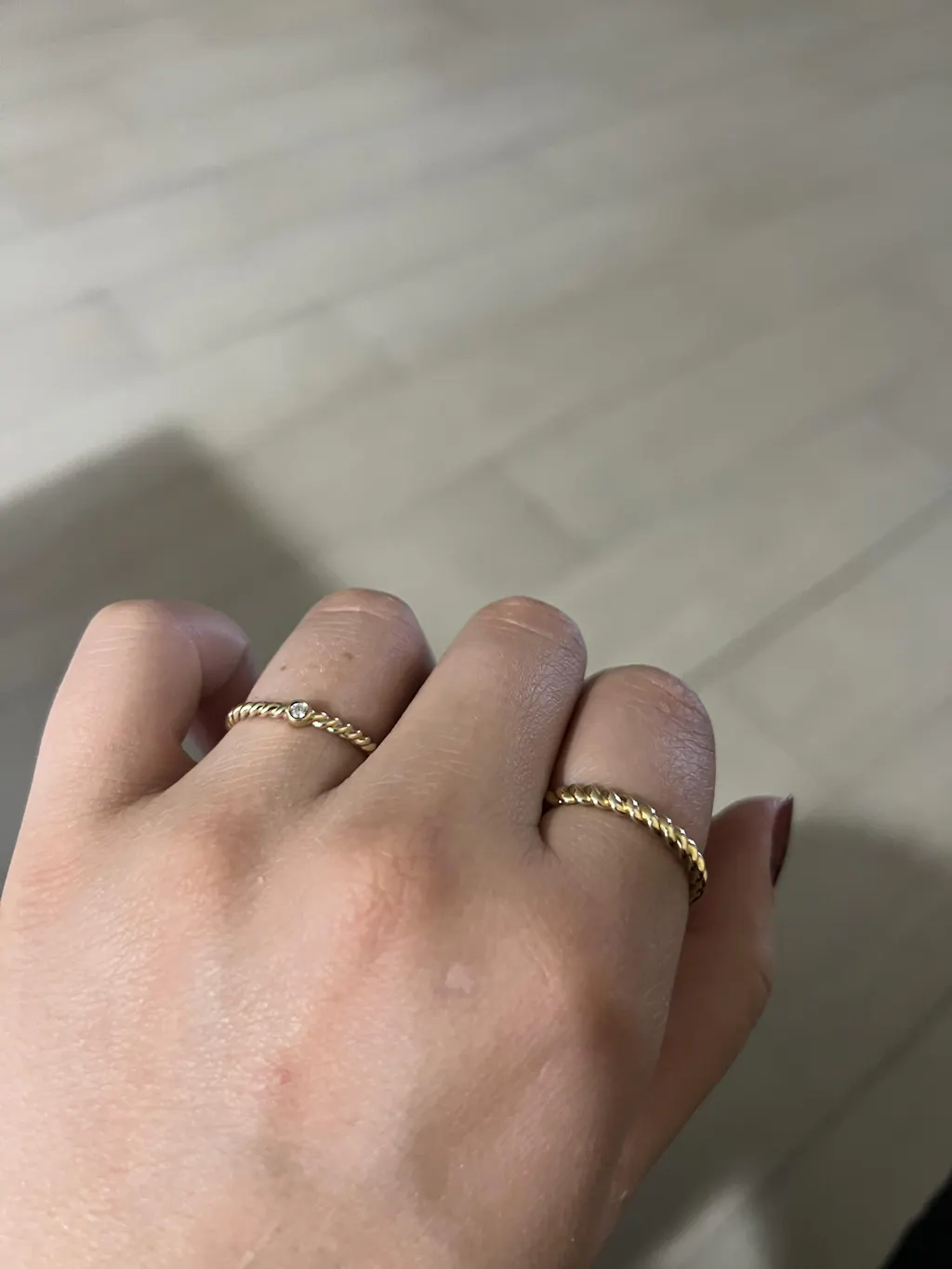
The solitaire engagement ring has been the world's most chosen proposal ring for over a century. Not because it's trendy. Because it's perfect. One diamond. One band. Nothing competing for attention. Just the stone, the gold, and the person wearing it.
But "solitaire" is not a single style — it's a category that contains multitudes. Four-prong or six-prong. Round brilliant or princess cut or oval. Classic cathedral or modern low-profile bezel. Choosing the right solitaire is one of the most meaningful decisions you'll make, and this guide will walk you through every variable so you get it exactly right.
All rings featured in this guide are from Black Pearl of Queens' Solitaire Engagement Ring collection — handcrafted in our Queens, NYC workshop in solid 14K gold with lab-grown diamonds.
What Is a Solitaire Engagement Ring?
A solitaire engagement ring features a single center stone — no side stones, no halo, no pavé band. The design philosophy is intentional restraint: every element of the ring exists to showcase the center diamond, nothing more.
This simplicity is what makes solitaires timeless. Trends come and go — halos were everywhere in the 2010s, three-stone rings surged in the early 2020s — but the solitaire has never gone out of style because it was never in style to begin with. It simply is.
The Setting: The Most Important Decision
The setting determines how the diamond is held, how much light it receives, and how the ring looks and wears over time. For solitaires, there are two primary settings to understand.
Prong Setting
The prong setting is the classic solitaire — thin metal claws grip the diamond at its girdle, lifting it above the band and allowing maximum light to enter from all angles. The result is extraordinary brilliance: a prong-set diamond catches light from every direction and throws it back in every color of the spectrum.
Four-prong vs. six-prong: Four prongs expose more of the diamond (more brilliance, more visible stone) but offer slightly less security. Six prongs hold the diamond more securely and give the ring a rounder, more classic appearance. For round brilliant diamonds, six prongs are the traditional choice. For fancy shapes (oval, marquise, pear), four prongs are more common.
Best for: Women who want maximum sparkle, love the classic engagement ring look, and don't have an extremely active lifestyle that might catch prongs.
Our pick: Classic Round Diamond Solitaire Engagement Ring — 1.5ct — a timeless four-prong solitaire in solid 14K gold with a 1.5ct round brilliant lab-grown diamond. The definitive solitaire.
Bezel Setting
The bezel setting encircles the diamond in a thin rim of metal, holding it flush and secure. It's the most protective setting available — no prongs to catch, no risk of the diamond loosening over time. The look is clean, modern, and architectural.
A bezel-set solitaire reads as contemporary luxury: the kind of ring that looks as at home in a boardroom as it does at a beach wedding. It's the choice of the woman who values both beauty and practicality.
Best for: Active lifestyles, women who work with their hands, those who prefer a modern aesthetic, and anyone who wants a low-maintenance ring that will look perfect for decades.
Our picks:
- Bezel Set Round Diamond Solitaire Ring — a modern full bezel with a round brilliant lab-grown diamond and a discreet diamond-accented under-gallery
- Tribeca Oval Bezel Engagement Ring — 1ct — an oval diamond in a seamless bezel, elongating and elegant
- SoHo Princess Bezel Engagement Ring — 1ct — a princess-cut diamond in a full bezel frame, engineered for daily wear
Diamond Shape: Which Cut Is Right for Her?
The diamond shape is the most visible element of the ring — it defines the silhouette, the personality, and the overall impression. Here's how the most popular shapes compare in a solitaire setting.
Round Brilliant
The round brilliant is the most popular diamond shape in the world, and for good reason: it's engineered for maximum light return. With 58 facets precisely angled to reflect and refract light, a round brilliant diamond produces more sparkle than any other shape. It's the universal choice — flattering on every hand, compatible with every setting, timeless in every era.
Best for: Anyone who wants maximum brilliance and a ring that will never look dated.
Our pick: Classic Round Diamond Solitaire — 1.5ct
Princess Cut
The princess cut is a square diamond with sharp corners and exceptional brilliance — nearly as much light return as a round brilliant, with a more geometric, modern silhouette. It's the choice of the woman who wants sparkle with an edge.
Best for: Women who love modern geometry, want a square shape, or prefer a slightly more contemporary look than the classic round.
Our pick: SoHo Princess Solitaire Engagement Ring — 1ct
Oval
The oval cut has been the fastest-growing diamond shape of the past decade. It combines the brilliance of a round cut with an elongated silhouette that makes the finger look longer and the diamond look larger than its carat weight suggests. An oval solitaire is romantic, feminine, and unmistakably modern.
Best for: Women who want a larger-looking diamond, prefer a softer silhouette, or love the elongating effect on the finger.
Our pick: Tribeca Oval Bezel Engagement Ring — 1ct
Marquise
The marquise is the most dramatic of the solitaire shapes — an elongated diamond with pointed ends that creates a bold, regal silhouette. It maximizes carat weight appearance (a 1ct marquise looks significantly larger than a 1ct round) and creates a striking lengthening effect on the finger.
Best for: Women who want a statement ring, love vintage-inspired drama, or want the largest-looking diamond for their budget.
Our pick: Chelsea Marquise Bezel Engagement Ring — 1ct
Choosing Your Gold Color
Every solitaire in our collection is available in solid 14K yellow gold, white gold, and rose gold. Here's how to choose:
14K Yellow Gold — The classic engagement ring metal. Warm, timeless, and historically the most traditional choice. Yellow gold complements all diamond shapes and skin tones, and has seen a major resurgence in the 2020s as brides move away from the white gold dominance of the 2000s-2010s.
14K White Gold — Clean, contemporary, and the most popular choice of the past two decades. White gold makes diamonds appear whiter and larger, and pairs beautifully with all diamond shapes. It requires rhodium plating every few years to maintain its bright white finish.
14K Rose Gold — Romantic, warm, and distinctly modern. Rose gold has a softness that feels personal and intimate — perfect for the woman who wants something that feels uniquely hers. It pairs especially beautifully with oval and round brilliant diamonds.
Why Lab-Grown Diamonds for Your Solitaire?
Every diamond in our solitaire collection is lab-grown — and in a solitaire setting, where the diamond is everything, this matters more than in any other ring style.
Lab-grown diamonds are chemically, physically, and optically identical to mined diamonds. They are graded by the same standards: cut, color, clarity, and carat. A gemologist cannot tell the difference. What is different: lab-grown diamonds are conflict-free, sustainably produced, and available at 50-70% less than equivalent mined diamonds.
That means in a solitaire setting, you can choose a significantly larger, higher-quality diamond for the same budget. A 1.5ct lab-grown diamond solitaire that would cost $15,000+ with a mined stone is accessible at a fraction of that price — without compromising a single facet of quality.
Every Black Pearl of Queens diamond is DEF color, VS clarity. The best.
Handcrafted in NYC — The Black Pearl of Queens Difference
Every solitaire engagement ring in our collection is made to order in our Queens, NYC workshop. That means it's crafted specifically for you — not mass-produced, not sitting in a warehouse. Our artisans hand-finish every ring, inspect every setting, and ensure every diamond is perfectly centered and secure before it ships.
- Made to Order: 1-2 week production time
- Solid 14K Gold: Yellow, white, or rose — never plated
- Lab-Grown Diamonds: DEF color, VS clarity, conflict-free
- Lifetime Warranty: We stand behind every ring we make
- Free Insured Shipping: Gift-wrapped and ready to present
Explore the full Solitaire Engagement Ring collection and find the ring that tells your story.