Cognac & Champagne Diamonds – The Complete Guide | The Brownstone Collection
Natural, warm, and completely unrepeatable — cognac and champagne diamonds are having their moment. Here's everything you need to know before you buy.
The Argyle Color Scale — C1 to C7
The industry-standard scale for grading champagne and cognac diamonds runs from C1 to C7, developed by the Argyle Diamond Mine in Western Australia. C1–C4 covers the champagne spectrum — light golden-brown to deep warm honey. C5–C7 covers cognac — rich amber-brown to deep mahogany with orange undertones.
- C1–C2 — Light Champagne: Pale golden-brown, subtle warmth, closest to a near-colorless diamond with a warm tint.
- C3–C4 — Medium to Dark Champagne: Richer golden-brown, noticeably warm, the most versatile champagne grades for everyday jewelry.
- C5 — Light Cognac: Where the brown deepens into amber, orange undertones begin to emerge.
- C6 — Cognac: Deep amber-brown, bold and warm, unmistakable in any setting.
- C7 — Deep Cognac: The most intense grade — mahogany-brown with deep orange, the most dramatic stone in the spectrum.
What Are Cognac Diamonds?
Cognac diamonds are natural fancy color diamonds that fall in the C5–C7 range of the Argyle color scale — a deep, warm amber-brown with orange undertones that resembles the color of aged cognac in direct light. The color comes from structural deformation inside the crystal caused by intense pressure during formation deep in the earth. This graining effect changes how the diamond reflects light, producing the warm brown tones you see.
Unlike nearly every other stone in fine jewelry, no two cognac diamonds are the same shade. The exact color — how amber, how deep, how orange the undertone — is determined by the unique conditions of that individual stone's formation. It cannot be replicated. Not even by another cognac diamond.
What Are Champagne Diamonds?
Champagne diamonds sit in the C1–C4 range — lighter, more golden, with a yellowish warmth that catches afternoon light in a way that reads almost luminous. Think the color of the drink they're named after: pale gold to deep honey, depending on the grade. C3–C4 champagne diamonds have a noticeably richer, more pronounced warmth. C1–C2 are softer and more subtle — the choice for someone who wants warmth without intensity.
Champagne diamonds pair with rose gold the way no other stone does — the two warm tones meet at the same frequency and create something almost impossible to describe and very easy to wear every day.
Why Natural? Why Not Lab-Grown?
Lab-grown diamonds can produce fancy yellow and blue tones through chemical doping during the growth process. But the deep, complex warmth of a natural cognac or champagne diamond — the way the color shifts between amber, orange, and brown depending on the light — comes from physical graining of the crystal structure under geological pressure. This structural characteristic cannot be engineered in a reactor at the same depth of color.
A lab-grown brown diamond looks different from a natural one. The depth and character of the color simply are not the same. For cognac and champagne specifically, natural is not a preference — it is the only way to get the real thing. This is why The Brownstone Collection uses exclusively natural cognac and champagne diamonds, while our core collection uses lab-grown white diamonds. They are two different things, priced and positioned accordingly.
How to Pair With Metal
- Yellow Gold: Amplifies the warmth. Stone and metal become one continuous warm tone — the most editorial, fashion-forward pairing. Works beautifully with both cognac and champagne.
- White Gold: Creates striking contrast. The warm stone reads bolder and more dramatic against the cooler metal. Best for cognac diamonds where you want the color to announce itself.
- Rose Gold: The most romantic pairing. Champagne diamonds and rose gold share the same warm-pink frequency — the result is soft, luminous, and quietly luxurious.
- Platinum: The premium contrast setting. Heavier, cooler, and more silvery than white gold, platinum makes cognac diamonds appear deeper and more saturated. The most formal and durable pairing — chosen when the piece is meant to last generations. Platinum does not wear away the way gold alloys do, which means the setting holds the stone with the same grip on day one as it does in year fifty.
The Argyle Mine — Where the Names Came From
The Argyle Diamond Mine in Western Australia produced the majority of the world's brown diamonds and was the source of most natural pink diamonds ever mined. In the 1980s, the mine began marketing its brown stones to jewelers using the terms champagne, cognac, and chocolate — replacing the industrial classification of brown with language that made the warmth of the stones feel luxurious rather than secondary.
The Argyle Mine closed permanently in 2020. Natural Argyle-origin diamonds are now finite. The color names, and the C1–C7 grading scale the mine developed, remain the industry standard for champagne and cognac diamond grading worldwide.
The De Beers Desert Diamonds Campaign — And What It Means
In October 2025, De Beers launched Desert Diamonds — their first major new product campaign in over a decade — built around natural diamonds in warm earth tones including champagne, sand, and blush hues. The campaign reached an estimated 25 million Americans, generated over 1 billion impressions across social, television, cinema and out-of-home advertising, and drove searches for colored diamonds up 19% in Q4 2025 alone. The bridal extension launched across the United States in April 2026.
The campaign confirmed what the colored diamond market has known for years: warm-tone natural diamonds are not a niche. They are a category. Consumer awareness of champagne and cognac diamonds is now at an all-time high — and buyers are looking for independent jewelers who understand these stones and can craft with them at a level the mass market cannot match. That is exactly what The Brownstone Collection is built to do.
Cognac vs Champagne vs White Diamonds — At a Glance
Color origin: Cognac and champagne diamonds get their color from structural graining caused by pressure during formation. White diamonds are valued for the absence of color impurities.
Uniqueness: Every cognac and champagne stone is unique in its exact shade. White diamonds are graded against a universal D–Z scale.
Lab replication: The deep, complex warmth of natural cognac and champagne diamonds cannot be fully replicated in a lab. White diamonds are fully replicable.
Hardness: All are diamonds — 10 on the Mohs hardness scale. The hardest natural material on earth. Built for daily wear, permanently.
Pricing: Natural cognac and champagne diamonds are typically priced lower than equivalent colorless white diamonds, making them exceptional value for the rarity and character they carry.
How to Choose — Cognac or Champagne?
Choose cognac if you want a stone that reads bold and warm from across the room. Striking contrast in white gold or platinum. A deep amber-orange tone. Something genuinely distinctive from any white diamond. A statement ring, signet, or pendant centerpiece that demands attention.
Choose champagne if you want warmth that works with everything. A softer, more golden everyday tone. The best pairing with rose gold. A stacking ring that adds color without dominating. An engagement ring with personality but not provocation. A piece that reads warm and personal without being loud.
Shop The Brownstone Collection
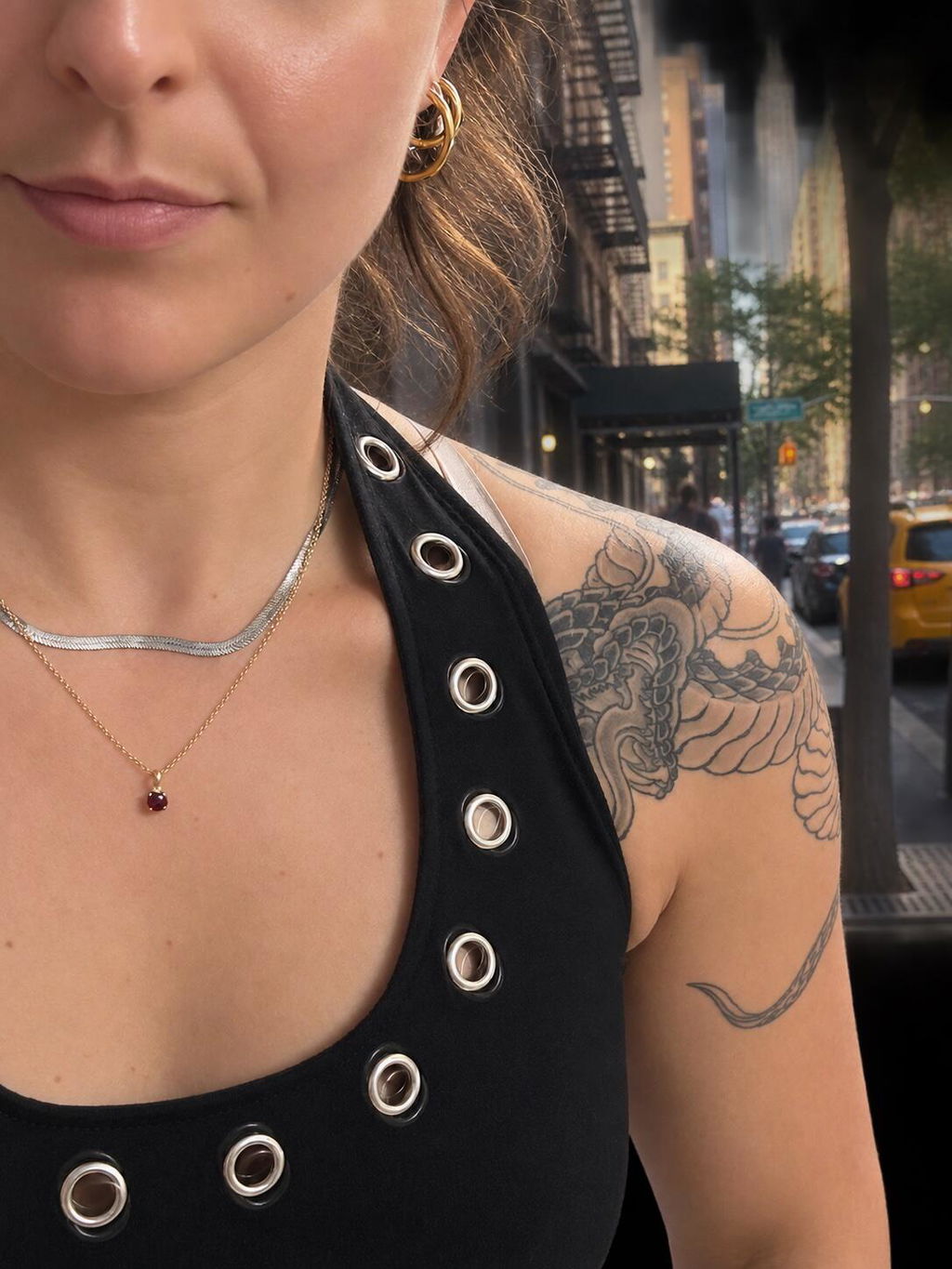
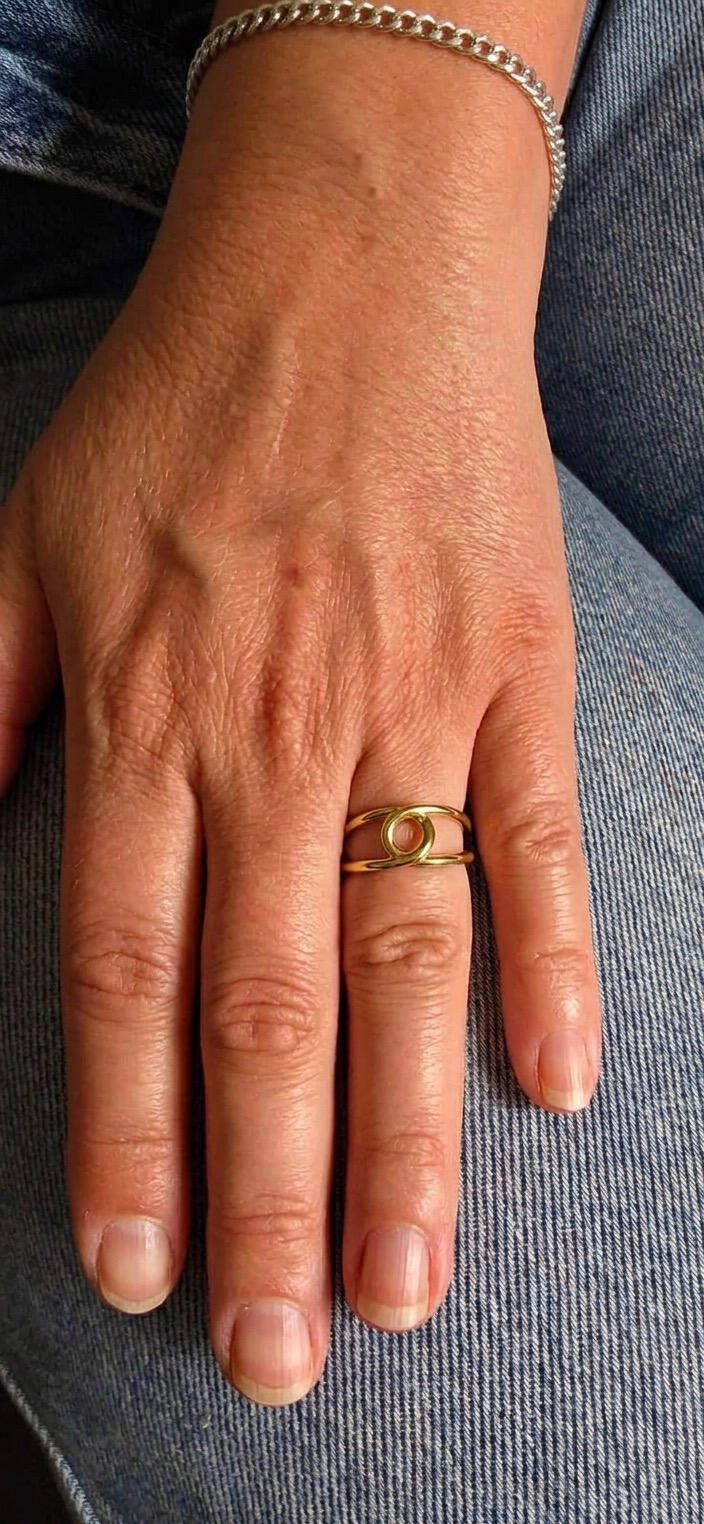
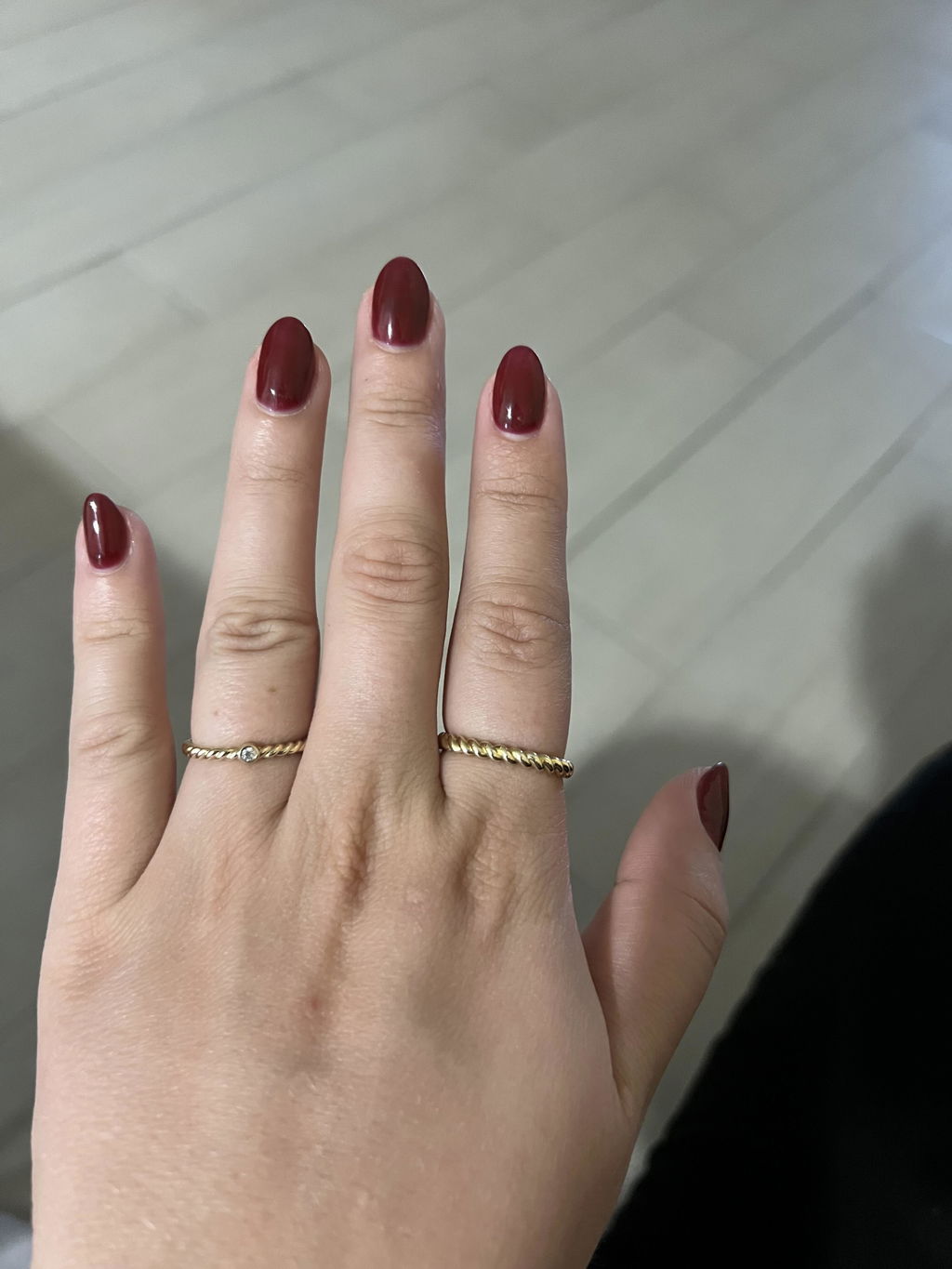
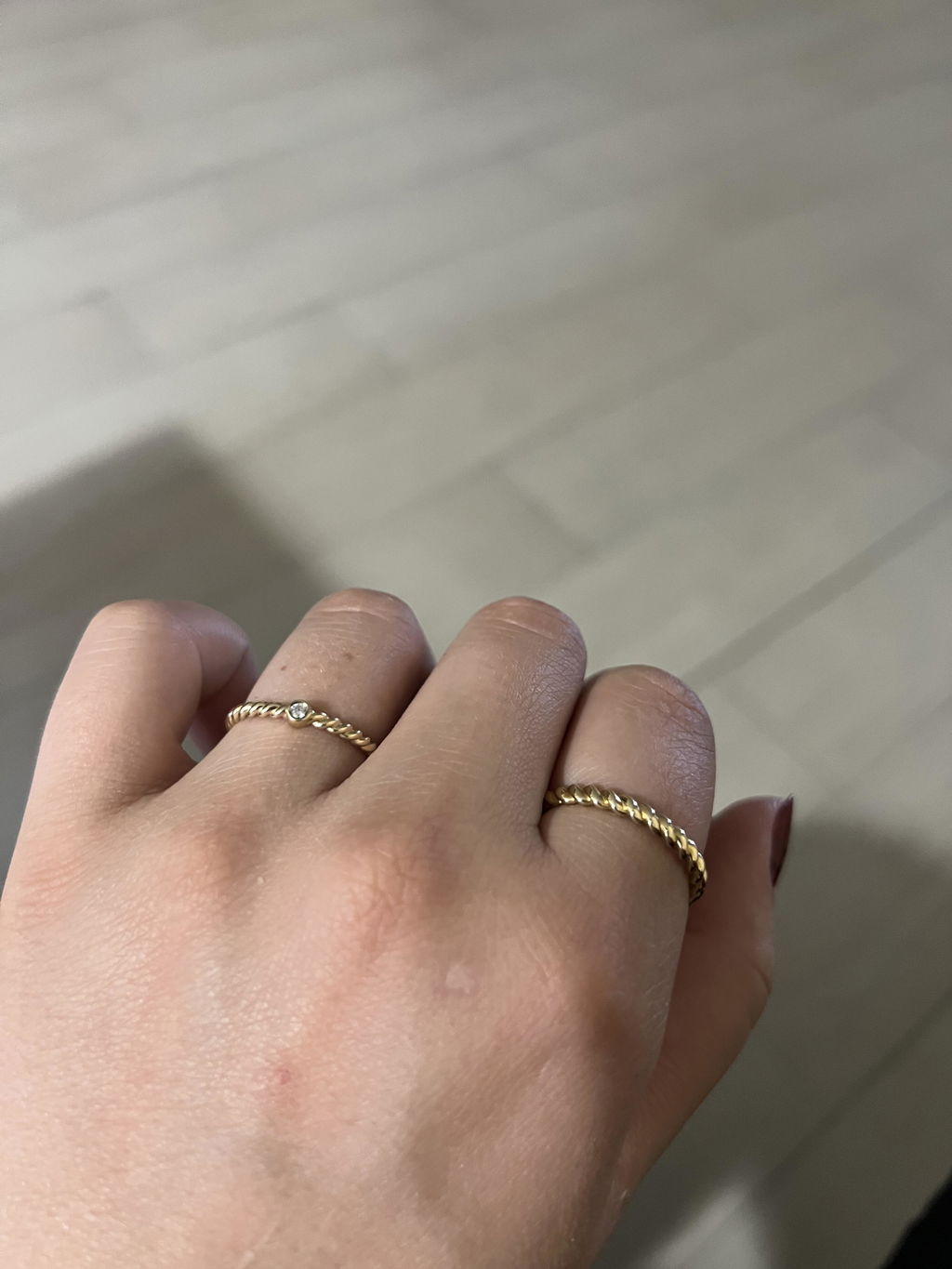
Natural cognac and champagne diamonds set in solid 14K gold and platinum. Handcrafted in New York City. Made to order in your size and metal. Ready in 2–3 weeks.
- Brownstone Engagement Rings
- Brownstone Rings
- Brownstone Earrings
- Brownstone Pendants
- Shop All Brownstone
Questions about specific stones, color grades, metal pairings, or custom pieces? Text or call us at 929-806-1502 or email info@blackpearlofqueens.com.
Natural Cognac & Champagne Diamonds | Solid 14K Gold & Platinum | Handcrafted in New York City | Lifetime Warranty