Why We Set Cognac Diamonds in Brown Gold (And No One Else Does)
June 17, 2026·By Dimitrios Koukoulis·8 min read
Every Brownstone piece sets a natural cognac or champagne diamond in our 14K brown gold alloy. That pairing isn't decorative — it's structural. We chose those two specific materials together for a single reason, and after three years of building the collection, I think this combination is the most defensible design decision we've made. Here's the case for it, and why no other jeweler is doing this.
The problem we were solving
When we started designing the Brownstone Collection in 2023, I wanted to build pieces around natural cognac and champagne diamonds. Those stones aren't widely used in fine jewelry today — most jewelers either don't carry them or relegate them to vintage-style settings. I thought they deserved better.
The first design problem was immediate: what metal do you set them in?
Every conventional choice failed in a specific way:
Yellow gold washed the color out. The warmth of yellow gold and the warmth of the cognac stone competed in the same register, neutralizing each other. The stone looked smaller and less defined.
White gold made the diamond look dirty. Cool metal against warm stone created harsh contrast that read as a flaw rather than a feature — the stone looked like a low-color white diamond, which is the opposite of what we wanted.
Rose gold got closer but introduced a pink undertone that fought the brown-amber palette. Pretty in isolation; wrong for the stone.
Platinum had the same cool-contrast problem as white gold, with the added complication of being aggressively expensive for a piece where the stone was the budget center.
None of these felt right. After two months of test pieces and conversations with the team, we made a different decision: if no existing metal worked, we'd develop one that did.
The decision wasn't "let's make our own gold to be different." It was "every conventional gold fails for this specific application, so we need to solve that."
A brief detour into color theory
The reason brown gold works with cognac diamonds is a principle from visual design: analogous color harmony. Colors that sit close to each other on the color wheel — like deep amber and rich brown — read as a single unified composition. Colors that sit far apart — like cool blue-white and warm brown — read as contrast.
Both approaches are valid in jewelry. Contrast settings (a brown diamond in platinum, for example) make the stone the focal point and create a deliberate tension. Analogous settings make the stone and the setting feel inseparable — the whole piece reads as one object rather than "a stone in a setting."
For a piece that someone will wear daily, that someone will look down at thousands of times over decades, we wanted the analogous approach. We wanted the cognac stone and the metal around it to feel like they were always meant to be together — not like the metal was selected to display the stone, but like the metal and the stone were one continuous piece of warm color.
The only way to get that effect with cognac and champagne diamonds was to pull the metal into the same color family. Hence, brown gold.
Brown gold + cognac. The setting and the stones share a color register, so the piece reads as one warm object rather than two competing tones.
Why brown gold + cognac diamond works
Three specific things happen when you pair these two materials:
1. The stone gets visually larger
When the setting and the stone read as one continuous warm field, the eye doesn't draw a hard line between them. The visual mass of the piece expands beyond just the stone. A 0.75ct cognac in brown gold can read with the same visual weight as a 1ct cognac in white gold, because the metal extends the stone's color presence into the surrounding setting.
2. The color of the stone deepens
Warm metal reflects warm light back into the stone. A cognac diamond surrounded by brown gold absorbs warm reflected light from the prongs, gallery, and band, which deepens the apparent saturation of the stone's natural color. The same stone in white gold gets cool reflected light from the setting, which neutralizes the warmth slightly. It's a subtle effect but consistent.
3. The piece reads as more sophisticated
This is the hardest claim to prove because it's subjective, but it's also the most consistent feedback we get. Customers describe Brownstone pieces with words like "intentional," "considered," "unified," and "adult." The pieces don't read as a brown diamond plopped into a generic engagement ring shape. They read as design where every element was chosen together.
What every other metal does to a cognac diamond
For the customers who want to understand the trade-offs before committing to brown gold, here's the comparison we walk through:
Metal choice
What it does to the cognac diamond
Best for
Brown gold (BPQ)
Analogous harmony. Stone color deepens. Reads as unified composition.
The default, and our recommendation
Yellow gold
Stone reads warmer overall but loses some color contrast. Pretty but less defined.
Traditional buyers, more classic settings
Rose gold
Pink undertone reads as vintage. Romantic, slightly nostalgic palette.
Soft, feminine designs with intentional vintage feel
White gold / platinum
Maximum contrast. Stone becomes the entire focal point.
Modern, minimalist preference; designs where the stone alone is the statement
Every Brownstone piece is available in all of these metals — brown gold is the design intent, but we don't refuse to make a piece in yellow or white gold if that's what the customer wants. We will tell you which combinations we think work best and which involve a trade-off.
Why almost no one else uses this combination
If brown gold + cognac diamond is such a strong pairing, why aren't other jewelers doing it?
Three reasons, in order of importance:
1. You have to want to use cognac and champagne diamonds in the first place
Most fine jewelers don't carry brown diamonds. The category sits in an awkward space — not quite white, not quite a colored gemstone like sapphire or emerald, harder to categorize for a sales floor that's organized around white diamond engagement rings. The brown diamonds that do appear are often relegated to "vintage-inspired" lines that don't get the design attention of the flagship offerings. If you don't carry the stones, you don't need a metal to pair with them.
2. Brown gold is hard to make consistently
We covered this in our brown gold post. The chemistry isn't exotic, but batch-to-batch color consistency is a real quality-control problem. A workshop that doesn't care about this stone family isn't going to invest the time to dial in an alloy recipe that produces identical tone across multiple batches across multiple years.
3. The whole approach requires committing to a design philosophy
Most large jewelers offer maximum optionality — every ring in every metal, with every stone, in every cut. That works for a wide catalog. It doesn't work for the kind of analogous-harmony decision-making that the Brownstone Collection is built on. A unified design requires saying "these specific materials together, by design." That's a smaller proposition than "any stone, any metal, configure as you wish," and it doesn't suit a large multi-brand operation.
We don't claim brown gold is patented or proprietary in the legal sense. The alloy ratios are not a trade secret — any well-equipped workshop could develop their own brown gold if they wanted to. They just don't, because the business case doesn't make sense unless the metal is paired with stones that justify it.
The Brownstone pieces built around this pairing
Every Brownstone piece is designed to live in this combination. In order of how many customers choose them:
Cognac Diamond Pavé Engagement Ring — cognac center with pavé accent diamonds along the band. Pavé can be cognac, champagne, or white lab-grown depending on what you want.
If you've read this far and the combination resonates, the engagement ring pieces are where most customers start. They're the pieces I'd point to first if you asked me, today, what I'm proudest of in the catalog.
Want to see brown gold and cognac diamond in person?
If you're considering a Brownstone piece, message the workshop. We can answer specific questions about stone selection, size, and customization — and for NYC customers, arrange a workshop viewing.
Is brown gold the only metal Brownstone pieces come in?
No. Brown gold is the design default and the metal the collection was built around. Every Brownstone piece is also offered in yellow gold, rose gold, white gold, and platinum if you prefer one of those instead. We'll tell you which combination we think looks best, but you choose what you want.
Can I get a Brownstone piece with a white diamond center stone?
Yes, by custom request. The Brownstone Collection's design intent is cognac or champagne, but if you want the same setting style with a lab-grown white diamond, we can build it. Get in touch.
Does the brown gold change the color of the cognac diamond, or am I imagining it?
You're not imagining it. Warm reflected light from the metal does slightly deepen the apparent saturation of the stone's color. It's a real optical effect, not a marketing claim. It's also subtle — the stone is still the stone, just shown to maximum advantage.
How rare are cognac and champagne diamonds?
Both are scarcer than white diamonds at the high color and clarity grades, but more available than fancy yellows or pinks. Champagne diamonds are more common than cognac. See our detailed comparison for more on rarity and pricing.
Is the cognac diamond + brown gold combination an heirloom investment?
It's a piece you'll own for a long time, and we hope you'll pass it down. It is not a financial investment, and we don't recommend buying diamonds with the expectation of resale appreciation. Our piece on natural vs lab-grown covers the honest version of the pricing and resale question.
Where can I see the actual color of the brown gold before ordering?
The product photography on the site is accurate and shows the metal under controlled lighting. For NYC customers, we can arrange a workshop viewing. For non-local customers, we'll send additional close-up natural-light photographs of the specific piece you're considering on request.
Absolutely love how it came out! The jeweler was very patient with me and all the questions I had and very knowledgeable. Their prices are fair and way more affordable than the big box store jewelers you find. Would definitely recommend and will be shopping again later for the wedding band that goes with the engagement ring I ordered.
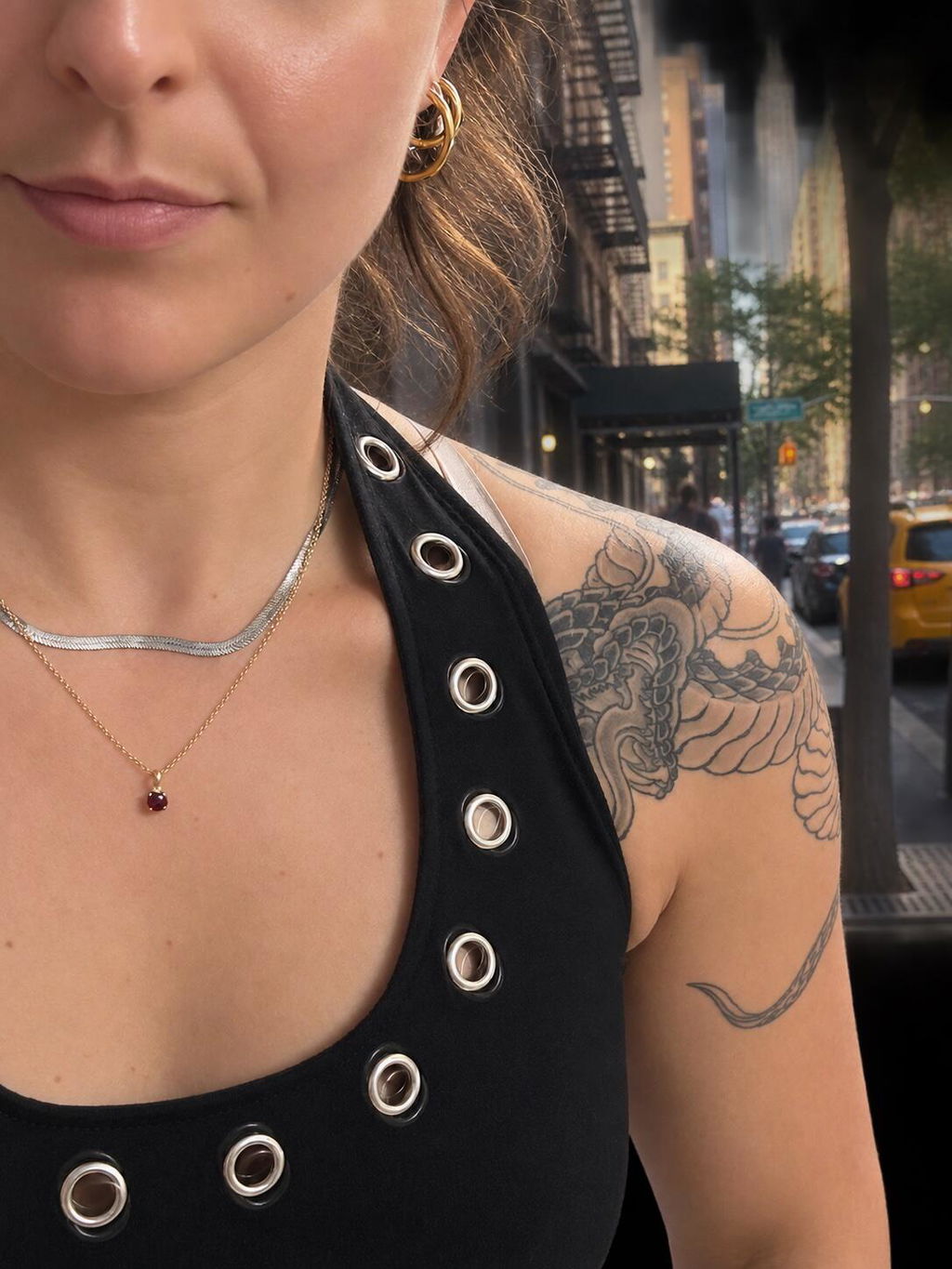
From the beginning of working with Dimitris and his team via email I was pleased to realize I speak with an actual person and not a chatbot. He was really interested in what I was looking for and made sure to create the ruby pendant I was dreaming of having for years now. I love it and am very happy to wear it!
Beautiful solid gold piece at amazing price. Similar item from a famous brand was almost twice the cost. The quality looks excellent so far. I will update my review in a few months but my first impression is fantastic!
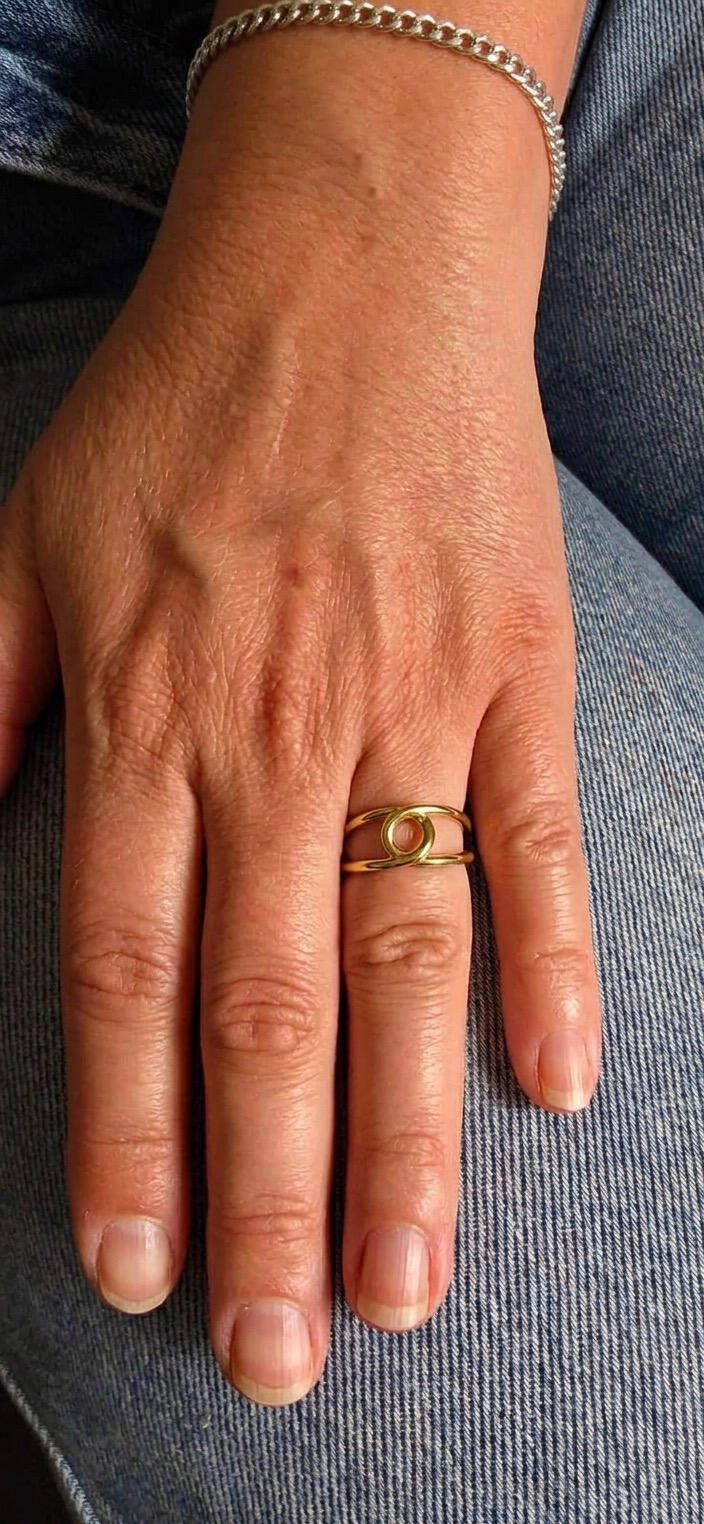
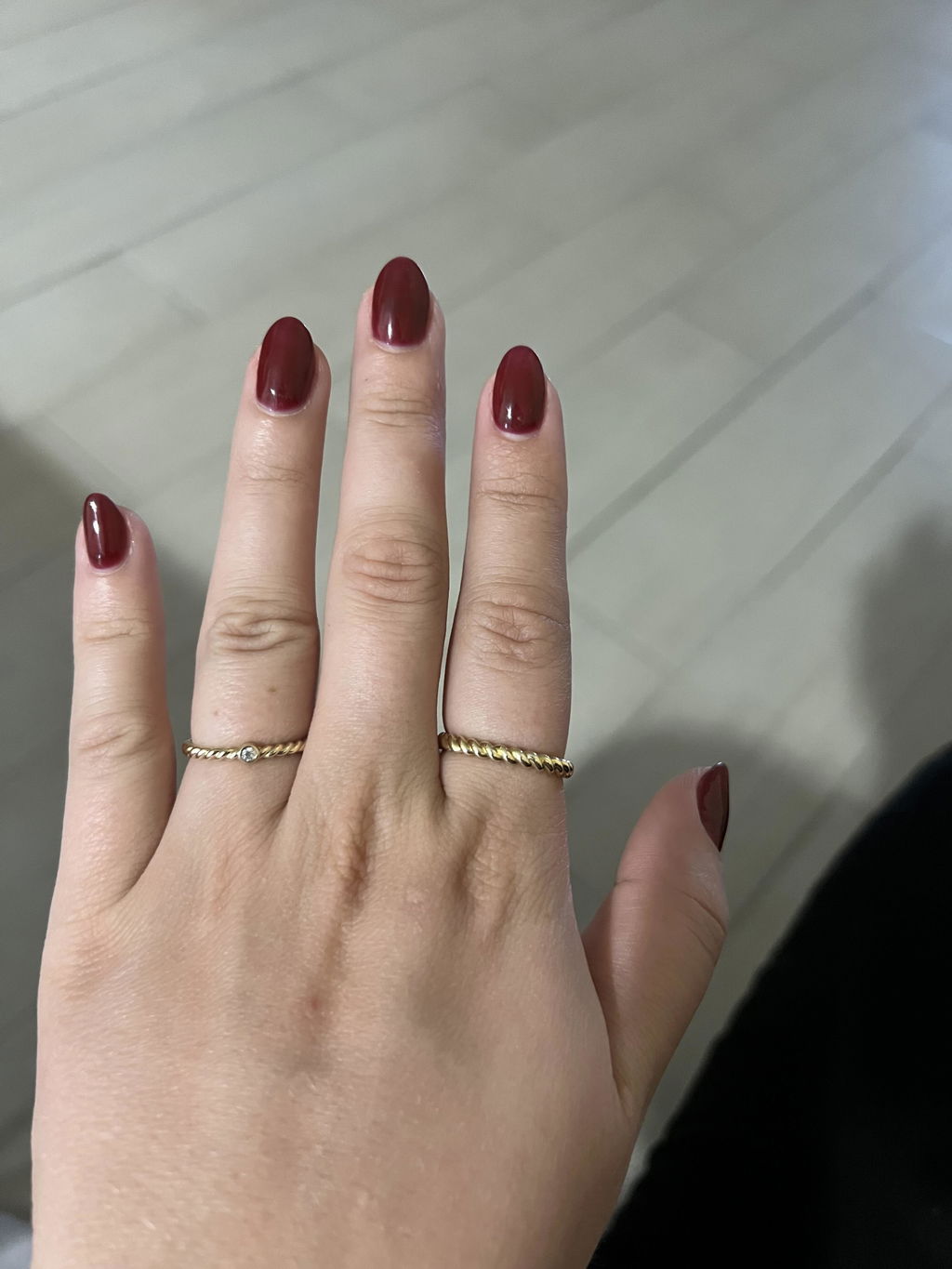
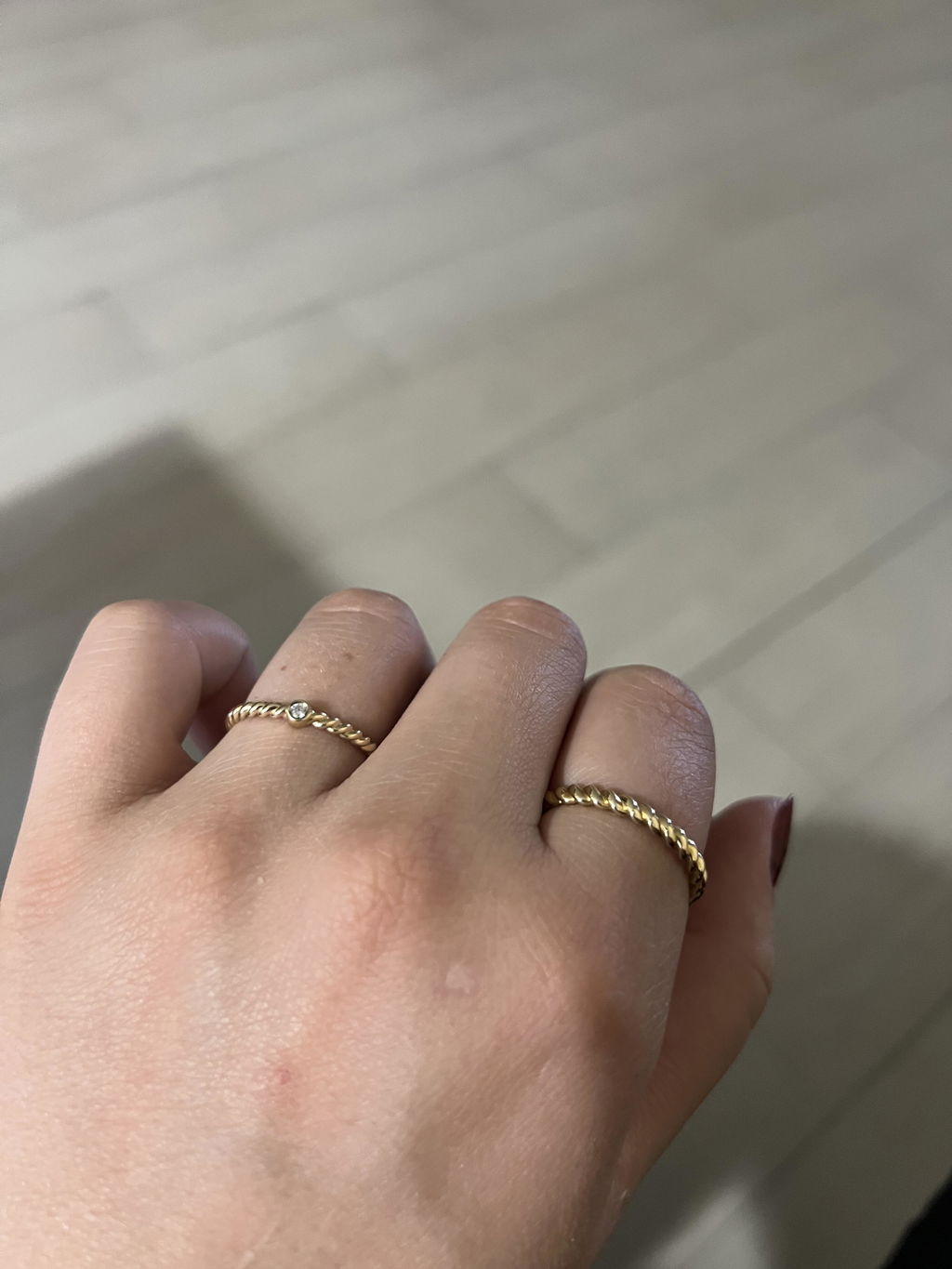
Absolutely beautiful rings! They look exactly as described, the quality is outstanding, and the shipping was really fast. I couldn’t be happier with my purchase and would definitely buy from this seller again.