What Are Lab-Grown Diamonds?
Lab-grown diamonds are real diamonds created in controlled laboratory environments using advanced technology that replicates the natural diamond formation process. They possess the same physical, chemical, and optical properties as mined diamonds—they're not simulants like cubic zirconia or moissanite.
At Black Pearl of Queens, we exclusively use lab-grown diamonds in our handcrafted 14K gold jewelry because they represent the future of ethical luxury.
Lab-Grown vs. Mined Diamonds: Key Differences
Environmental Impact
Lab-grown diamonds require significantly less land disruption and water usage compared to traditional mining operations. While both processes require energy, lab-grown diamonds can be produced using renewable energy sources, making them a more sustainable choice for environmentally conscious consumers.
Ethical Considerations
Lab-grown diamonds eliminate concerns about conflict diamonds and exploitative labor practices that have historically plagued the mining industry. Every lab-grown diamond comes with complete transparency about its origin and production process.
Quality and Beauty
Lab-grown diamonds are chemically identical to mined diamonds (pure carbon in a crystalline structure). They're graded using the same 4Cs—cut, color, clarity, and carat weight. Even expert gemologists cannot distinguish between lab-grown and mined diamonds without specialized equipment.
Value and Pricing
Lab-grown diamonds typically cost 30-40% less than comparable mined diamonds, allowing you to invest in higher quality stones or more elaborate designs within your budget. This makes luxury jewelry more accessible without compromising on beauty or durability.
Why Black Pearl of Queens Chooses Lab-Grown Diamonds
Our commitment to lab-grown diamonds reflects our values as NYC artisan jewelers:
-
Ethical luxury: We believe beautiful jewelry shouldn't come at the cost of environmental degradation or human exploitation
-
Superior value: Our clients receive exceptional quality diamonds at accessible price points
-
Innovation: Lab-grown diamonds represent the cutting edge of gemstone technology
-
Transparency: We know exactly where every diamond comes from and how it was created
Common Myths About Lab-Grown Diamonds
Myth: Lab-grown diamonds aren't "real" diamonds
Truth: Lab-grown diamonds are 100% real diamonds with identical chemical composition, crystal structure, and physical properties to mined diamonds.
Myth: Lab-grown diamonds look different or inferior
Truth: Lab-grown diamonds are visually identical to mined diamonds and are graded by the same gemological standards.
Myth: Lab-grown diamonds don't hold value
Truth: Like all diamonds, lab-grown diamonds are durable gemstones suitable for heirloom jewelry. Their value lies in their beauty and the craftsmanship of the piece.
Choosing Lab-Grown Diamond Jewelry
When selecting lab-grown diamond jewelry, focus on the same quality factors you would for any diamond:
-
Cut quality: Determines brilliance and sparkle
-
Clarity: Fewer inclusions mean more light performance
-
Color grade: From colorless to near-colorless
-
Carat weight: Size appropriate to your design and budget
-
Setting quality: Expert craftsmanship ensures your diamonds are secure and beautifully displayed
Our Lab-Grown Diamond Collections
At Black Pearl of Queens, we feature lab-grown diamonds across our handcrafted collections:
-
Eternity Bands: Bezel-set lab-grown diamonds from 1/3ct to 1.75ct in 14K gold
-
Sunburst Huggie Earrings: Pavé-set diamonds creating celestial radiance
-
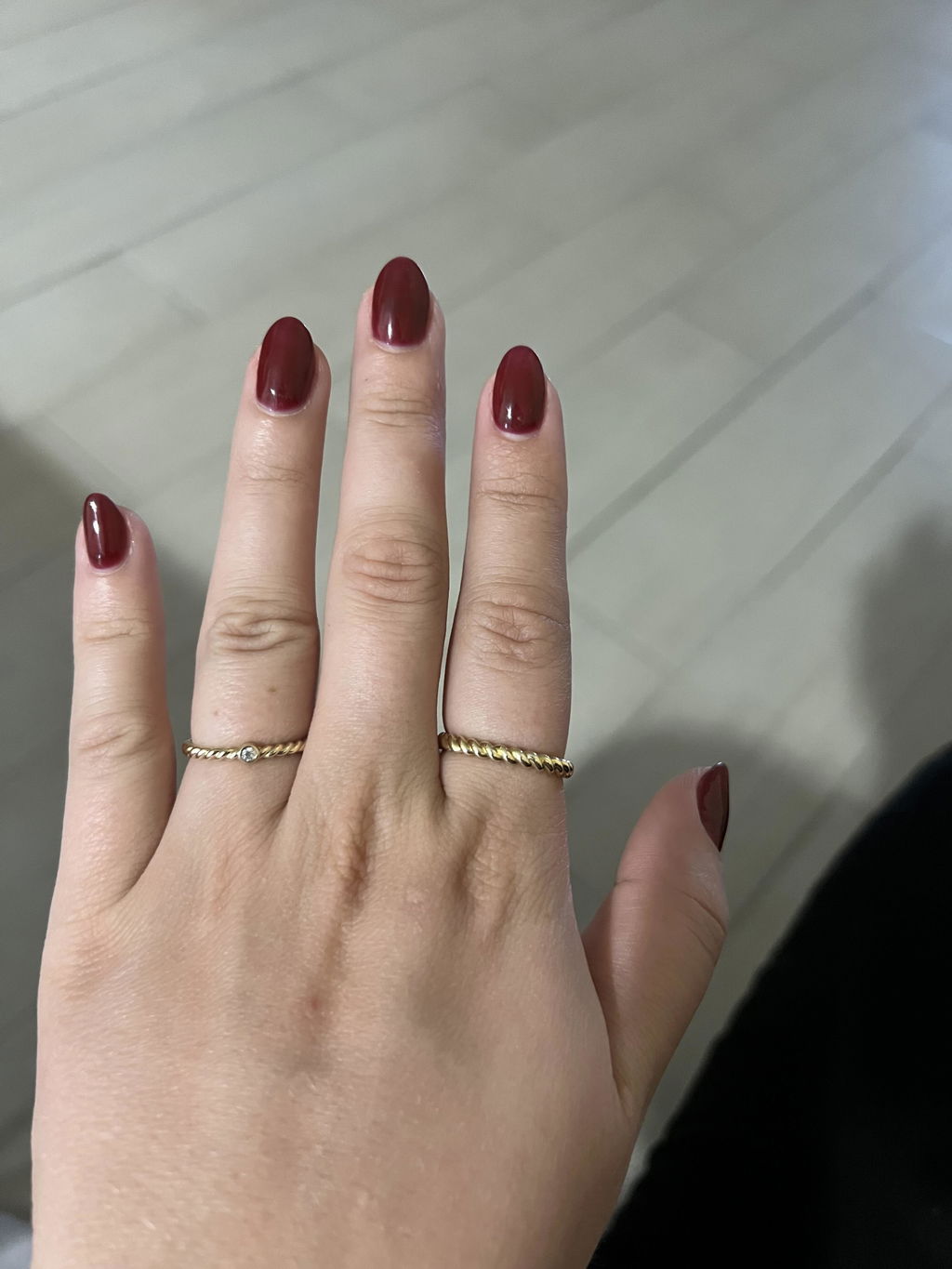
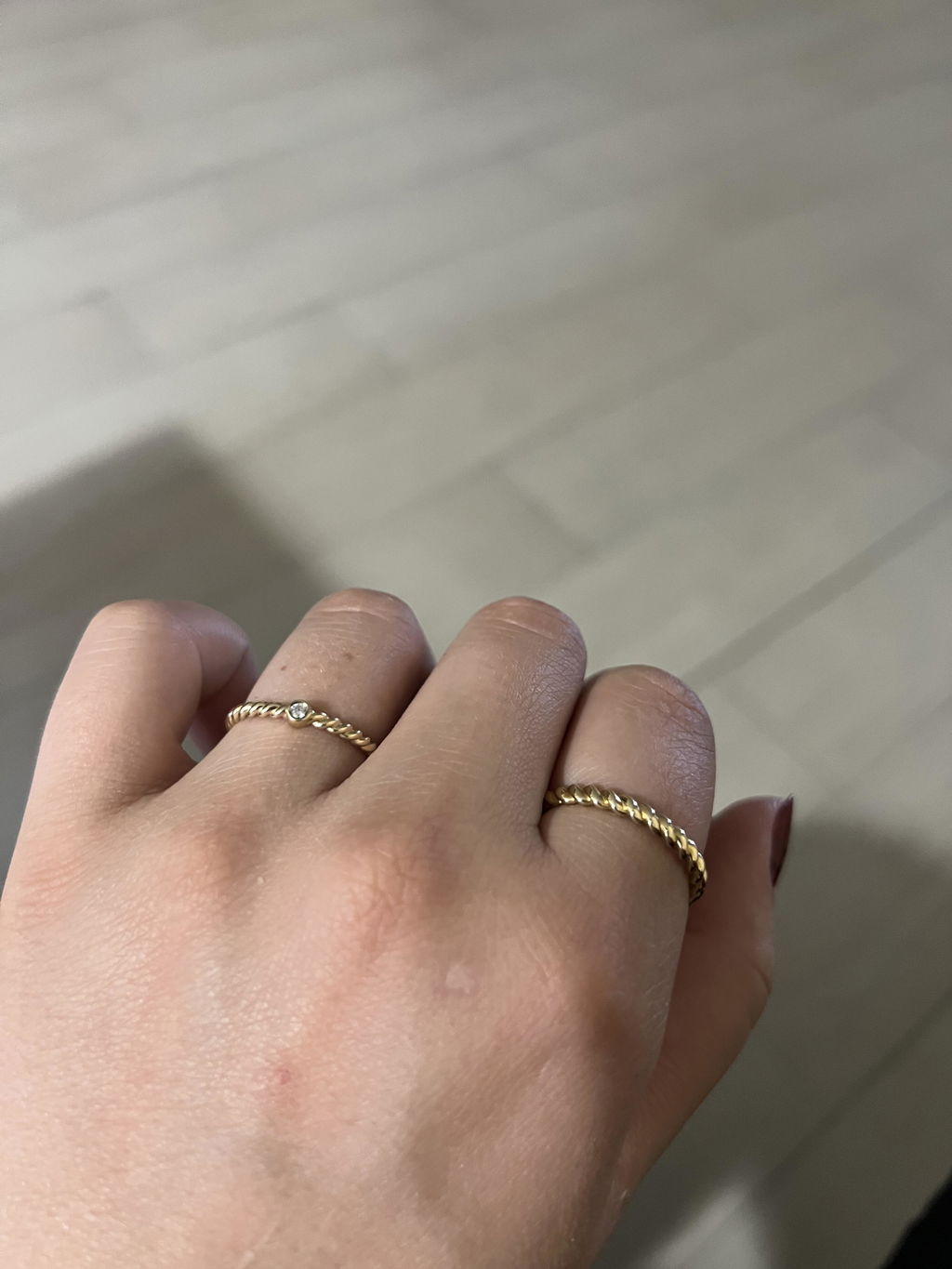
Stackable Rings: Delicate diamond wire rings perfect for layering
-
Signet Rings: Statement pieces featuring lab-grown diamond accents
Every piece is handcrafted in our Queens, New York studio with meticulous attention to detail and quality.
The Future of Fine Jewelry
Lab-grown diamonds represent a shift toward conscious luxury—where beauty, quality, and ethics align. As technology advances and consumer awareness grows, lab-grown diamonds are becoming the preferred choice for discerning jewelry buyers who refuse to compromise their values.
Whether you're selecting an engagement ring, eternity band, or everyday luxury piece, lab-grown diamonds offer the perfect combination of brilliance, sustainability, and value.
Ready to explore our lab-grown diamond jewelry? Browse our fine jewelry collection or contact us to create a custom piece that reflects your style and values.