Pavé is one of the most requested details I set, and one of the most misunderstood. People love how it looks and worry about whether it lasts. Both reactions are reasonable. Here is how pavé actually works, from the person who sets it bead by bead.
What Pavé Means
Pavé is French for paved. Small diamonds are set close together along the band, and each one is held by tiny beads of gold raised from the metal between the stones. The surface ends up looking covered in diamonds rather than dotted with them, so the whole ring catches light, not only the center stone.
Pavé vs. Micro-Pavé
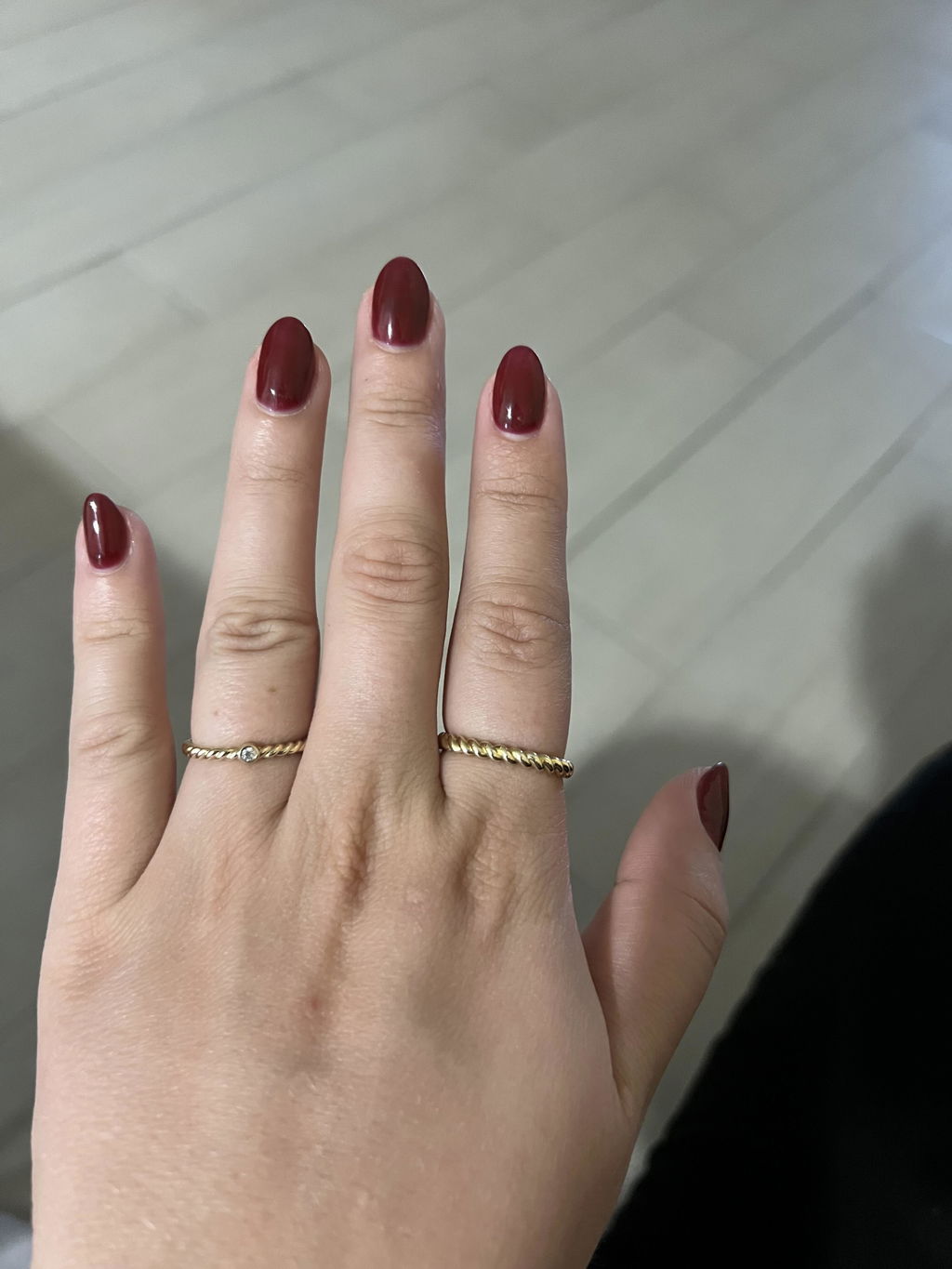
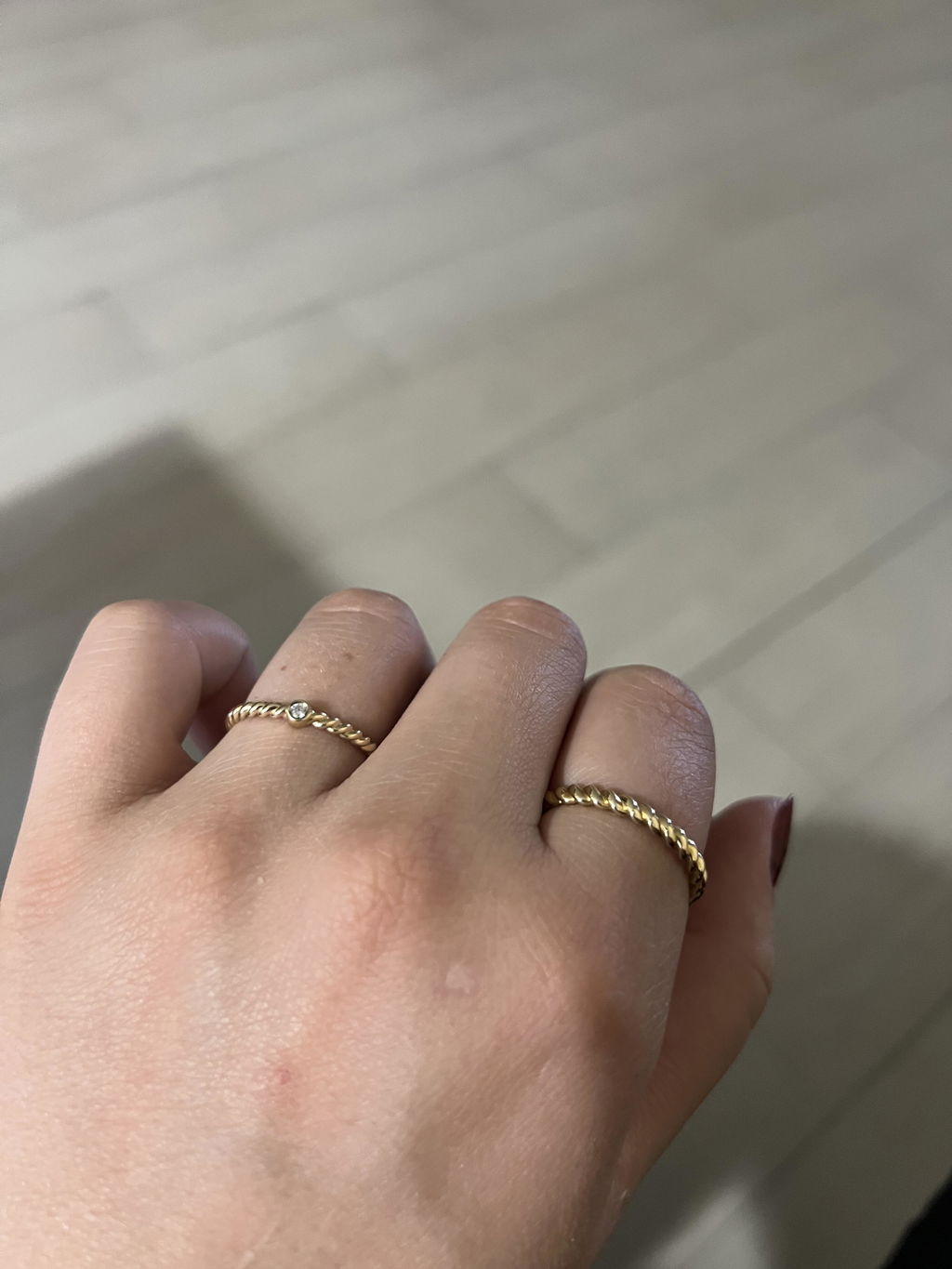
The difference is stone size. Micro-pavé uses smaller diamonds, usually under about 1.3mm, set under higher magnification. More stones fit into the same space, so the band reads finer and more continuous. On a thin 1.5mm or 2mm band, micro-pavé is the only kind that fits; see our thin band pavé engagement rings.
Do Pavé Stones Fall Out?
Well-set pavé stones rarely come loose in normal wear. The real risks are hard knocks against stone or metal and resizing a ring too far, which can distort the beads. The quality of the setting matters more than the style itself: enough gold under and between the stones is what holds them for decades. A yearly check at the bench catches a worn bead before a stone is lost, and workmanship on every ring we make is covered by a lifetime warranty.
Can a Pavé Ring Be Resized?
Usually by up to about two sizes on a standard band, because the pavé runs across the top and the resizing happens in the plain gold underneath. Thin pavé bands are more limited, often about one size. The best move is to get the size right from the start; resizing is complimentary within 60 days of delivery.
Half Pavé or Full Pavé?
Half pavé covers the top of the band, where people actually look. It stays comfortable between your fingers and is easier to resize. Full pavé runs all the way around for sparkle from every angle, at the cost of resizing flexibility and some comfort. Most people choose half pavé, and it is what I recommend for an everyday engagement ring.
Is Pavé Right for You?
If you want the most sparkle from every angle, pavé is the answer. If you want the cleanest, most minimal look, a plain band keeps the focus on the center stone. We compare the two directly in solitaire vs. pavé band. If durability on a fine band is your concern, read are ultra thin engagement rings durable.
Shop Pavé Rings Made in Queens
Every ring in our pavé engagement rings collection is drawn in CAD with each stone seat spaced for strength, cast in solid 14K gold, and set by hand under magnification in my Woodside, Queens workshop, in 7 to 10 business days. The pavé and center stones are Lab-Grown Diamonds, with an IGI report on every center stone 1 carat and above.