The Oldest Cut Still in Use
Cushion cut traces back to the early 1800s, making it the oldest diamond shape still in common use today — older than the round brilliant, which wasn't standardized until the early 1900s. It started as the “old mine cut,” cut by hand and candlelight, built to look good under gas lamps rather than modern LED lighting. The modern cushion cut is a refined descendant: a square or rectangular shape with rounded corners and larger facets, but it keeps the softness that made the original so wearable.

What Rounded Corners Actually Do to the Light
Where a round brilliant is engineered for maximum fire and a step cut like emerald is engineered for clarity, cushion cut sits in between: larger facets than a round brilliant, but still faceted (not stepped) so it retains real sparkle — just a softer, warmer version of it. People describe it as a “candlelit glow” for a reason; it doesn't throw sharp flashes of light the way a round brilliant does, it diffuses light more broadly across the stone's face. That's the entire appeal in one sentence: less fire, more glow.

Who Cushion Cut Actually Suits
If you're drawn to vintage engagement rings, antique settings, or anything with heritage character, cushion cut is almost always the right diamond shape to pair it with — it's the one cut that's actually from the era those settings are referencing, not a modern shape retrofitted into an old-looking setting. It also tends to suit smaller and larger stones more evenly than princess or emerald, since its rounded corners don't create the same “where does the ring end” visual break that sharp-cornered shapes can on very large or very small carats.
Why It Pairs Naturally With a Lotus Prong Setting
A cushion cut's whole identity is softness — rounded corners, diffused glow, antique lineage. A lotus prong basket, with its split petal prongs curving inward, follows that same soft curve naturally instead of fighting it the way a hard-edged setting would. It's the most natural pairing in the lotus prong family after round itself. See the cushion cut lotus prong milgrain ring, or browse every design in our cushion cut engagement rings collection.

Metal Pairing
Yellow gold is the classic pairing and leans furthest into the vintage character — it's what an actual antique cushion cut ring would have been set in originally. White gold cools the stone's glow and reads more contemporary if you want the shape without a fully vintage feel. Rose gold amplifies the romantic, antique quality the cushion cut is known for.
Handcrafted in New York City
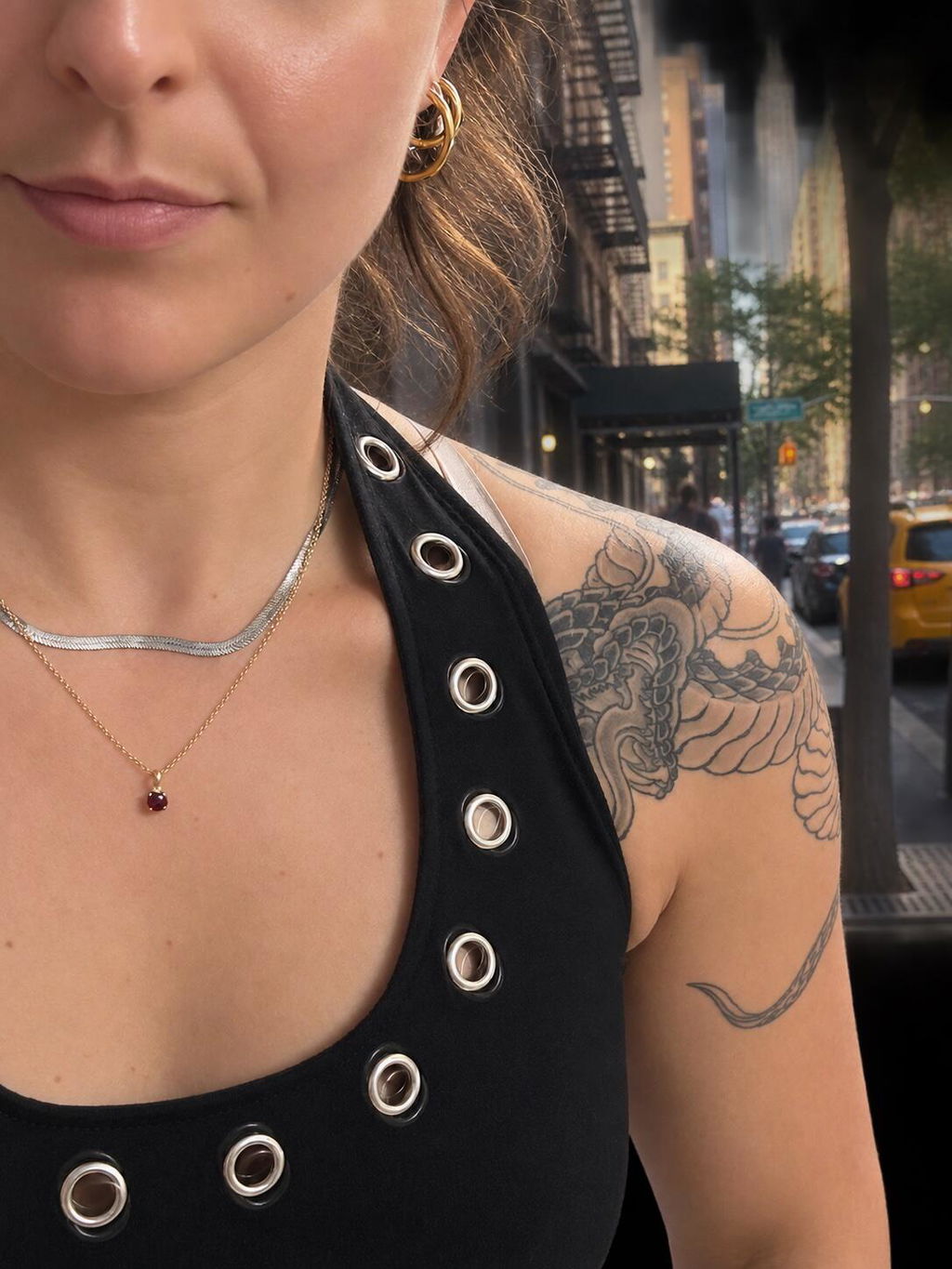
Every cushion cut ring we build is made to order in our Woodside, Queens workshop, hand-finished and sized to you after you order. Production runs 7–10 business days, ships fully insured, and carries a lifetime warranty. If cushion is on your shortlist against another shape, reach out — happy to talk through which one fits your taste and stone size.