Choosing the right setting for your diamond ring is one of the most important decisions you'll make. Whether you're shopping for an engagement ring, eternity band, or wedding ring, understanding the difference between bezel and prong settings will help you select a piece that matches your lifestyle, style preferences, and budget.
In this comprehensive guide, we'll compare bezel and prong settings across every factor that matters—from durability and security to aesthetics and maintenance—so you can make an informed decision with confidence.
What is a Bezel Setting?
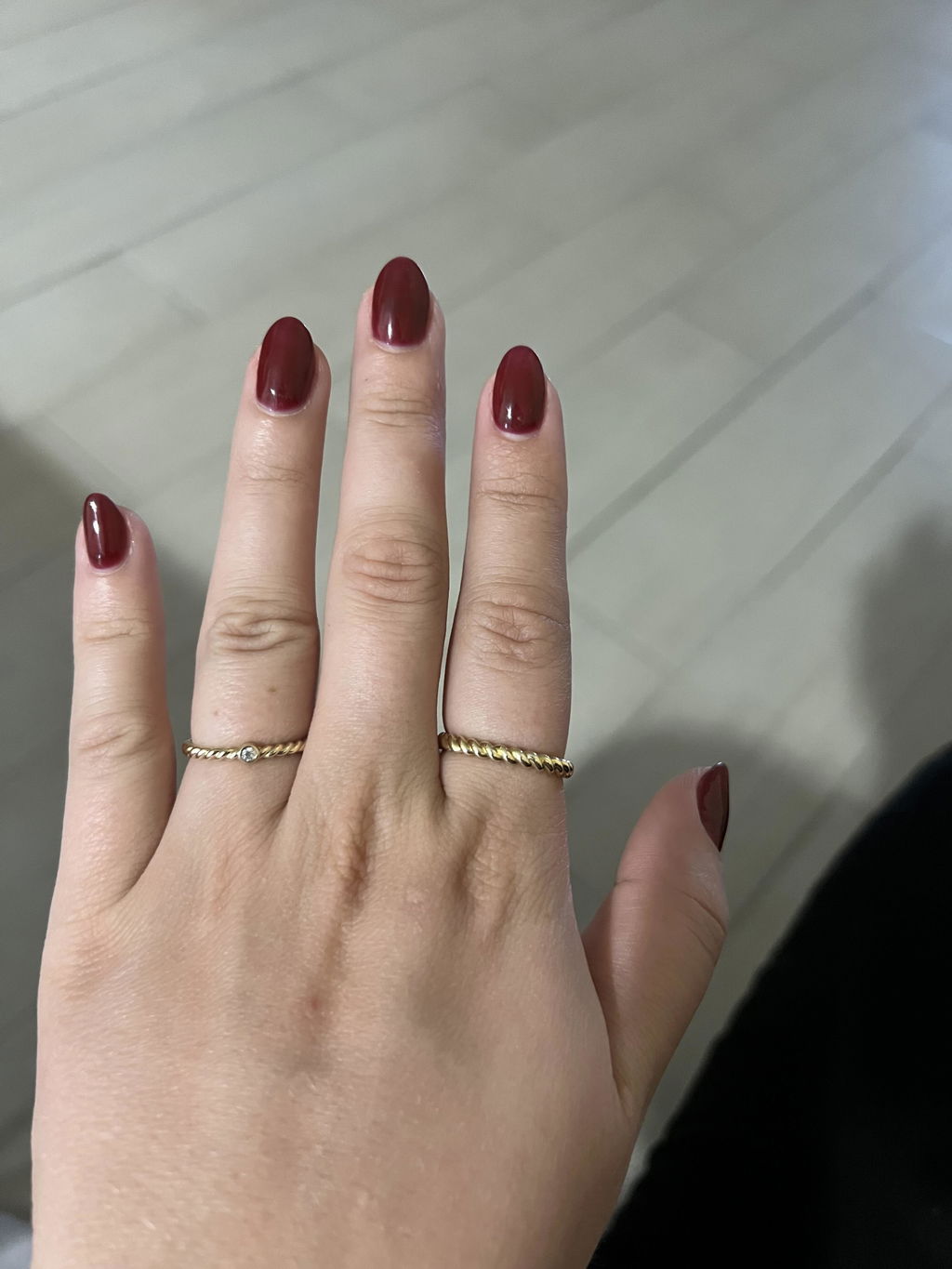
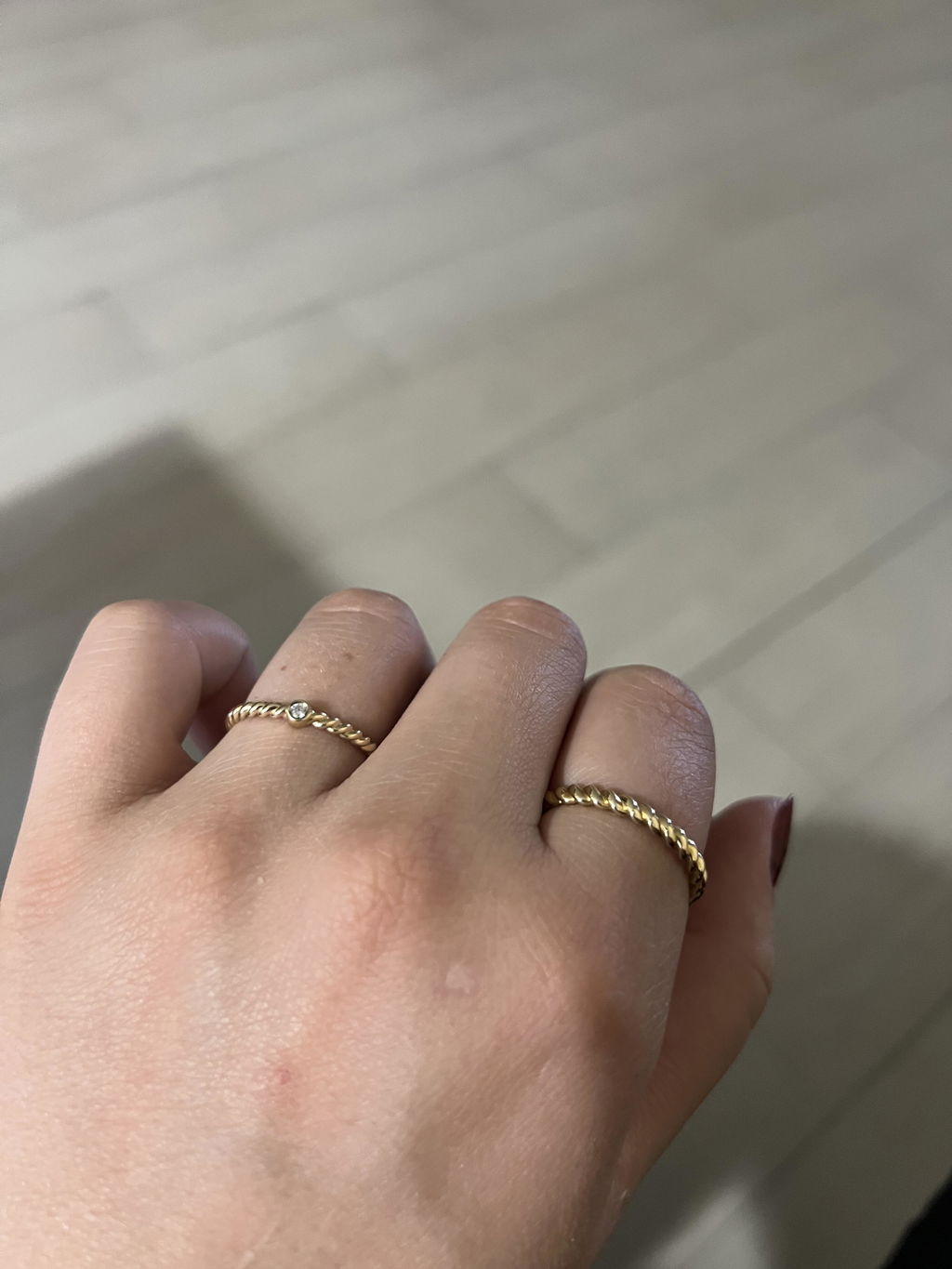
A bezel setting encircles the diamond with a thin metal rim that holds the stone securely in place. The metal wraps completely (full bezel) or partially (half bezel) around the diamond's girdle, creating a smooth, protective frame.
Key characteristics of bezel settings:
- Metal surrounds the diamond's perimeter
- Sleek, modern, minimalist aesthetic
- Maximum protection for the stone
- Low-profile design that won't snag
- Popular in contemporary and vintage-inspired designs
Bezel settings have been used in jewelry for centuries and have experienced a major resurgence in popularity thanks to their clean lines and practical benefits for active lifestyles.
What is a Prong Setting?
A prong setting uses small metal claws (typically 4 or 6) to hold the diamond in place from above. The prongs grip the diamond at specific points around its perimeter, elevating it above the band and allowing maximum light to enter the stone.
Key characteristics of prong settings:
- Metal claws hold the diamond at 4-6 points
- Classic, traditional appearance
- Maximum light exposure for brilliance
- Diamond appears larger due to minimal metal coverage
- Most popular setting style for engagement rings
Prong settings remain the most traditional and widely recognized diamond setting, particularly for solitaire engagement rings and eternity bands.
Bezel vs Prong: Side-by-Side Comparison
Durability & Protection
Bezel Setting Wins: The bezel setting offers superior protection for your diamond. Because the metal completely surrounds the stone's edges, it shields the diamond from chips, cracks, and damage from daily wear. This makes bezel settings ideal for:
- Active lifestyles (gym, sports, outdoor activities)
- Hands-on professions (healthcare, teaching, manual work)
- Anyone who wants maximum stone security
Prong Setting: While prongs securely hold diamonds, they offer less protection to the stone's edges. The exposed diamond is more vulnerable to chips if struck against hard surfaces. However, quality prong settings are still very secure when properly maintained.
Winner: Bezel for maximum durability and protection.
Brilliance & Sparkle
Prong Setting Wins: Prong settings allow light to enter the diamond from all angles—top, bottom, and sides—maximizing brilliance and fire. With minimal metal coverage, the diamond's natural sparkle is on full display.
Bezel Setting: Because metal surrounds the diamond's perimeter, less light enters from the sides. This can slightly reduce brilliance compared to prong settings. However, modern bezel designs minimize this effect, and many people don't notice a significant difference, especially with high-quality diamonds.
Winner: Prong for maximum sparkle and light performance.
Style & Aesthetics
This is personal preference:
Bezel Setting: Clean, modern, minimalist aesthetic. Perfect for contemporary tastes and those who prefer understated elegance. The smooth profile creates a sleek, sophisticated look that pairs beautifully with modern fashion.
Prong Setting: Classic, traditional, romantic appearance. The elevated diamond creates a more dramatic, eye-catching effect. Prongs add delicate detail and vintage charm that many find timeless and elegant.
Winner: Tie – entirely depends on your personal style.
Maintenance & Care
Bezel Setting Wins: Bezel settings require less maintenance because there are no prongs to check, tighten, or replace. The smooth design also collects less dirt and is easier to clean. Simply wipe with a soft cloth or soak in warm soapy water.
Prong Setting: Prongs should be inspected every 6-12 months by a jeweler to ensure they haven't worn down or loosened. Worn prongs must be re-tipped or replaced to prevent diamond loss. Dirt can accumulate around prongs, requiring more frequent professional cleaning.
Winner: Bezel for lower maintenance requirements.
Everyday Wearability
Bezel Setting Wins: The smooth, low-profile design won't catch on clothing, hair, or gloves. This makes bezel settings exceptionally comfortable for all-day wear and ideal for people who frequently use their hands.
Prong Setting: Prongs can occasionally snag on fabrics, especially delicate materials like lace, knitwear, or silk. While this isn't a dealbreaker, it's something to consider if you work with textiles or wear delicate clothing frequently.
Winner: Bezel for snag-free, comfortable daily wear.
Diamond Size Perception
Prong Setting Wins: Because prongs use minimal metal, the diamond appears larger and more prominent. The elevated setting also creates the illusion of a bigger stone.
Bezel Setting: The metal rim can make the diamond appear slightly smaller because it covers the outer edges. However, this effect is minimal with well-designed bezels, and the trade-off is often worth it for the added security.
Winner: Prong for making diamonds appear larger.
Cost Comparison
Generally Similar: Both settings typically cost about the same, though this varies by jeweler and design complexity.
Bezel Setting: May cost slightly more upfront due to the additional metalwork required to create the rim. However, lower long-term maintenance costs can offset this.
Prong Setting: Initial cost may be slightly lower, but factor in periodic prong maintenance and potential re-tipping costs over the ring's lifetime.
Winner: Tie – costs are comparable when considering lifetime ownership.
Which Setting Should You Choose?
Choose a Bezel Setting If You:
- Have an active lifestyle (sports, gym, outdoor activities)
- Work with your hands frequently
- Prefer modern, minimalist aesthetics
- Want maximum diamond protection and security
- Desire low-maintenance jewelry
- Like sleek, contemporary designs
- Want a ring that won't snag on clothing
Choose a Prong Setting If You:
- Want maximum diamond brilliance and sparkle
- Prefer classic, traditional jewelry styles
- Want your diamond to appear as large as possible
- Love the romantic, vintage aesthetic
- Don't mind periodic maintenance checks
- Have a less physically demanding lifestyle
- Want the most popular, recognizable setting style
Can You Combine Both Settings?
Yes! Many modern designs incorporate both bezel and prong elements:
-
Half-bezel settings: Metal wraps partway around the diamond with prongs on the other side
-
Bezel-set side stones with prong center: Combines the security of bezels with the brilliance of a prong-set center stone
-
Alternating patterns: Some eternity bands alternate between bezel and prong-set diamonds for visual interest
These hybrid designs offer the best of both worlds, balancing protection with sparkle.
Expert Tips for Your Decision
1. Consider Your Lifestyle First
Your daily activities should heavily influence your choice. If you're active or work with your hands, bezel settings offer peace of mind.
2. Try Both Styles On
Visit a jeweler and try on rings with both settings. How they look and feel on your hand matters more than any comparison chart.
3. Think Long-Term
You'll wear this ring for years or decades. Choose a setting that fits your lifestyle sustainably, not just what looks best in the moment.
4. Quality Matters More Than Setting Type
A well-crafted prong setting from a skilled jeweler will be more secure than a poorly made bezel setting, and vice versa. Prioritize craftsmanship.
5. Don't Sacrifice Your Style
While practical considerations matter, you should love how your ring looks. If you adore prong settings but have an active lifestyle, simply commit to regular maintenance checks.
Bezel vs Prong: The Bottom Line
There's no universally "better" setting—the right choice depends entirely on your personal priorities:
Choose bezel if: Protection, durability, and low maintenance are your top priorities, and you love modern aesthetics.
Choose prong if: Maximum brilliance, traditional style, and making your diamond appear larger matter most to you.
Both settings are beautiful, secure, and time-tested. The "best" setting is simply the one that aligns with your lifestyle, aesthetic preferences, and practical needs.
Shop Bezel & Prong Set Diamond Rings
At Black Pearl of Queens, we handcraft both bezel and prong-set diamond rings in our New York studio using solid 14K gold and ethically sourced lab-grown diamonds.
Our bezel-set collection includes:
- Eternity rings with full bezel settings for maximum protection
- Half-bezel designs that balance security with sparkle
- Modern minimalist bands perfect for stacking
Our prong-set collection features:
- Classic shared-prong eternity bands
- Traditional 4-prong and 6-prong solitaire settings
- Vintage-inspired designs with delicate prong details
All our rings include:
- Solid 14K gold in yellow, white, or rose
- VS clarity lab-grown diamonds
- Handcrafted in NYC
- Free US shipping
- Complimentary gift packaging
Browse Our Eternity Ring Collection →
Shop Wedding Bands →
Still Have Questions?
Choosing the perfect diamond ring setting is a big decision. Our team is here to help you find the ideal piece for your lifestyle and style.
Contact us with questions about bezel vs prong settings, ring sizing, customization options, or anything else. We're passionate about helping you find jewelry you'll love for a lifetime.
Get in Touch →